Digital Art and Its Influence on Contemporary Culture
What Is Digital Art?
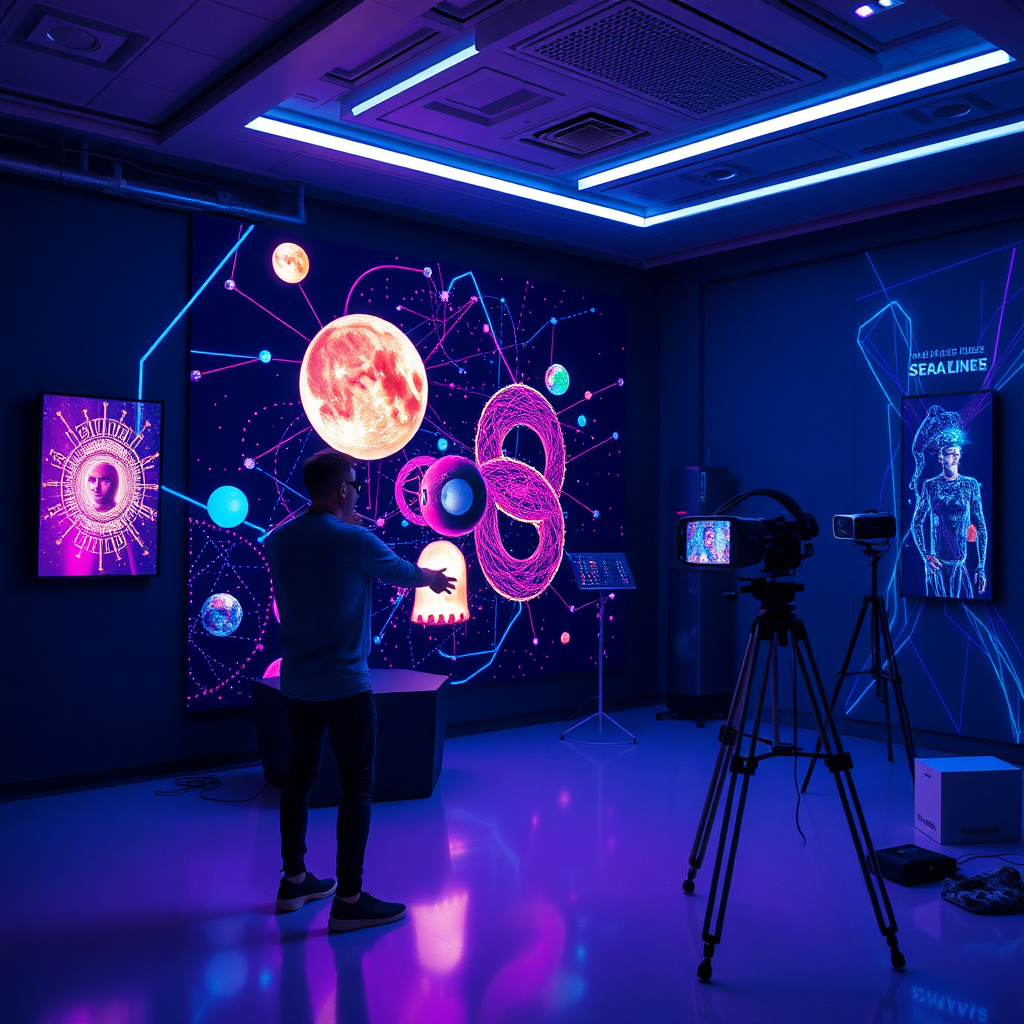
Digital art is artwork created or presented using digital technology, encompassing a variety of forms such as computer-generated images, virtual reality installations, interactive media, and algorithm-driven creations. This medium includes everything from digital paintings and 3D models to video art and immersive VR experiences.
At its core, digital art leverages software, hardware, and the internet to redefine creativity beyond traditional materials like canvas and paint. It incorporates techniques such as 2D and 3D rendering, motion graphics, and interactive elements that respond to viewer input. This diversity enables digital art to bridge visual art, video games, animation, and performance.
The Evolution of Digital Art in Modern Society
Digital art has evolved significantly since the late 20th century, rising from experimental computer graphics to a dominant cultural force influencing music, advertising, and fine art. The democratization of technology made sophisticated creative tools accessible, allowing artists worldwide to produce and share work without traditional gatekeepers.
Early pioneers experimented with pixel art and CGI, but the explosion of social media platforms like Instagram and TikTok accelerated the spread and popularity of digital art styles. The integration of interactive art and virtual reality (VR) expanded the boundaries of audience engagement, enabling immersive experiences once only imaginable.
Simultaneously, this evolution reflected broader societal shifts toward digital connectivity and virtual communities, embedding digital art deeply into contemporary culture.
How Digital Art Reflects Contemporary Social Values
Digital art mirrors contemporary social values by promoting diversity, inclusion, and cultural hybridity. Unlike traditional art restricted by physical gallery spaces, digital art thrives on accessibility and global reach, showcasing marginalized voices and fresh perspectives.
Creators often use digital channels to address themes such as identity, climate change, and social justice. The multimedia nature of digital art allows rapid adaptation and experimentation, making it a dynamic platform for cultural commentary. For example, interactive art projects invite audience participation, breaking down the artist-viewer hierarchy and fostering communal storytelling.
This responsiveness to real-time conversations solidifies digital art’s role as a cultural barometer, capturing the ethos of our digitally connected era.
The Role of Social Media and Online Platforms
Social media platforms have revolutionized the distribution and visibility of digital art by providing artists direct access to global audiences. Instagram, TikTok, Twitter, and specialized platforms like Behance serve as galleries, marketplaces, and networking hubs rolled into one.
Through hashtags, viral trends, and collaborative communities, digital artists can build followings with unprecedented speed. These platforms encourage experimentation and feedback, which fuels rapid creative cycles and diversity of expression.
Moreover, social media has contributed to the art democratization phenomenon by leveling the playing field, allowing emerging digital artists to challenge established institutions. This transformation has also shifted the economic models for artists, who increasingly rely on online patronage, sponsorships, and NFT sales for income.
Intersection with Traditional Art
The relationship between traditional art and digital art is complex, marked by both tension and synergy. While some purists question the authenticity and value of digital creations, others embrace how digital art expands artistic possibilities and outreach.
Digital tools challenge traditional art techniques by enabling corrections, iterations, and multimedia layering impossible in physical mediums. Yet, many artists blend digital processes with analog methods, creating hybrid works that enrich both fields.
This intersection fosters dialogue about what constitutes art and how culture evolves. Museums and galleries increasingly exhibit digital installations alongside classical works, signaling acceptance of digital art’s legitimacy and cultural impact.
The Rise of NFTs and the Metaverse
NFTs (Non-Fungible Tokens) and the Metaverse are transforming the digital art economy and cultural landscape by creating new ownership models and immersive spaces. NFTs certify digital artworks as unique assets on blockchain networks, enabling artists to monetize and authenticate their work in ways previously unavailable.
This shift benefits both creators and collectors by providing transparency, royalties, and provenance tracking. Simultaneously, the Metaverse—a collective virtual shared space—offers interactive galleries, art shows, and live events where users can experience digital art in novel, immersive environments.
These platforms are reshaping how culture is produced, shared, and consumed, blending entertainment, social interaction, and creative expression in integrated experiences.
Future Trends and Cultural Implications
Digital art’s influence on culture will further deepen as emerging technologies like artificial intelligence, augmented reality, and blockchain mature. We can expect more personalized and interactive art experiences tailored to individual preferences and senses.
However, this growth also brings challenges such as digital preservation, copyright complexities, and the environmental impacts of blockchain tech. Balancing innovation with sustainable practices and inclusivity will be crucial.
Long-term, digital art could redefine cultural heritage itself, shifting it into perpetually evolving, participatory digital realms. As our lives increasingly intertwine with virtual spaces, digital art offers a mirror and a canvas reflecting humanity’s collective imagination and social identity.
FAQ
What distinguishes digital art from traditional art?
Digital art differs primarily in its creation methods and mediums, utilizing digital technology instead of physical materials. It allows for instant editing, distribution, and interactivity, unlike the tactile, one-of-a-kind nature of traditional art.
How do NFTs impact artists and collectors?
NFTs provide artists with direct control over ownership and royalties, empowering them financially. Collectors gain verified authenticity and unique ownership of digital pieces, bridging gaps between digital and tangible value.
In what ways does digital art influence popular culture?
Digital art shapes popular culture by informing aesthetics, trends, and identity expressions across media including fashion, music videos, gaming, and advertising, often spreading rapidly via social media.
Can digital art have the same cultural value as physical art?
Yes, digital art holds cultural value through its reflection of contemporary life, innovation, and accessibility. While different in form, its influence and significance are comparable and increasingly recognized by cultural institutions.
How is virtual reality transforming digital art experiences?
Virtual reality creates immersive environments where users engage with digital art spatially and emotionally, adding depth and interactivity that amplify artistic impact beyond traditional viewing formats.