The Rise of Virtual Communities and Their Social Dynamics
Introduction to Virtual Communities
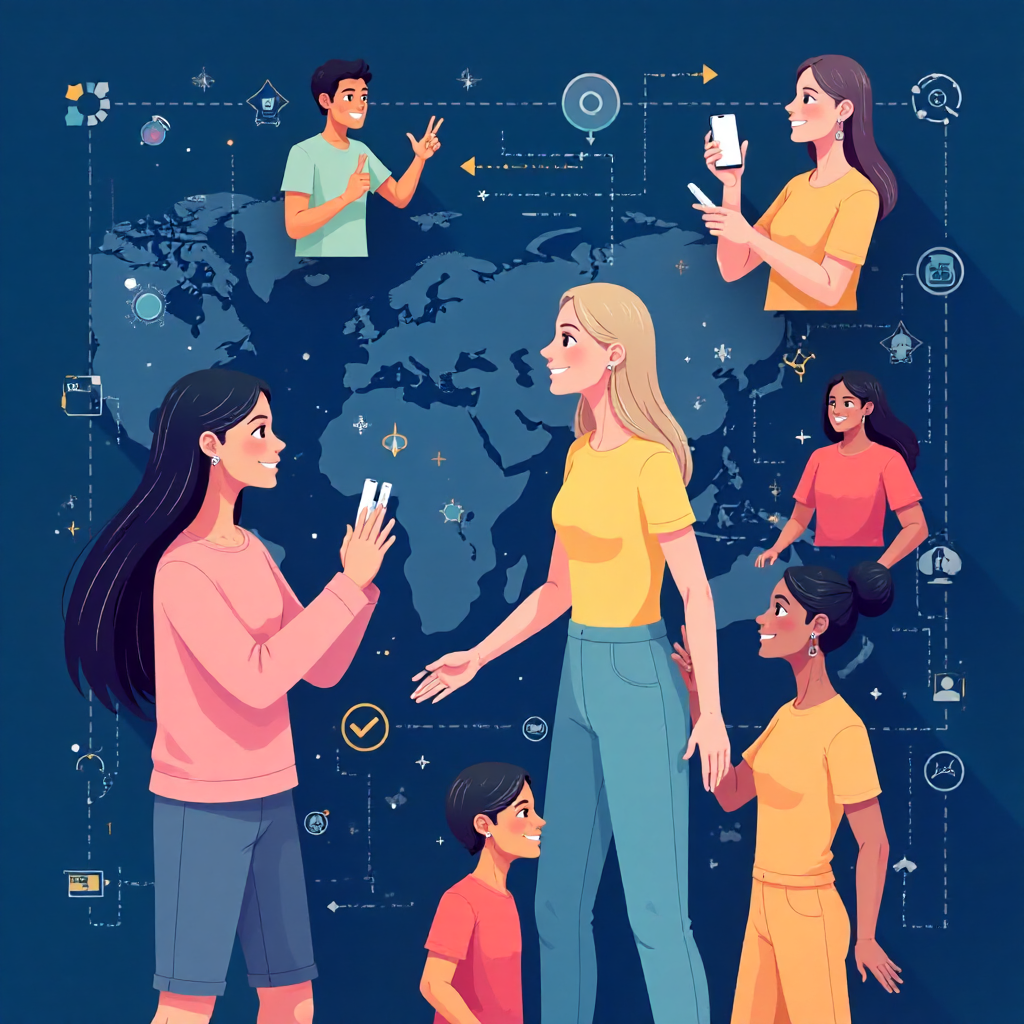
Virtual communities are online social spaces where people connect, interact, and collaborate without physical proximity. These digital networks have witnessed rapid growth as internet accessibility and digital culture expand worldwide.
Unlike traditional communities, virtual communities enable social interaction through platforms ranging from forums and social media to gaming clans and professional networks. They serve as hubs for shared interests, collective support, and identity formation in a digitally mediated environment.
The growth of virtual communities has transformed how individuals engage socially, fostering new patterns of communication and collaboration that transcend geographical boundaries.
Types of Virtual Communities in Digital Culture
Virtual communities manifest in varied forms, each tailored to different modes of online interaction and user goals. Common types include forums, social media groups, gaming clans, and professional networks, each contributing uniquely to digital culture.
- Forums: Text-based discussion boards like Reddit or specialized interest forums facilitate long-form conversations around niche topics and collaborative problem-solving.
- Social Media Groups: Platforms such as Facebook or Discord host groups where users share updates, engage in discussions, and organize events, reflecting wider social media interaction patterns.
- Gaming Clans: In multiplayer gaming spaces, clans or guilds provide tightly knit communities focused on teamwork, competition, and social bonding through shared gaming experiences.
- Professional Networks: Platforms like LinkedIn create virtual communities centered on career development, knowledge exchange, and industry networking.
Each type of community shapes its users’ behavior and engagement differently, influenced by the platform’s tools, culture, and purpose.
Key Social Dynamics Within Virtual Communities
Social dynamics in virtual communities revolve around how users establish identity, build trust, and develop group norms despite lacking physical presence. These dynamics form the backbone of meaningful online interaction.
Social identity is constructed through usernames, avatars, and participation patterns, enabling users to express themselves and affiliate with groups. This identity helps individuals find belonging and social roles within the community.
Trust-building is critical and often established through repeated interactions, shared norms, and reputation systems. Users rely on cues such as consistent communication style and helpful content to determine reliability.
Group norms emerge as informal rules guiding behavior, defining what is acceptable and fostering cohesion. Norms affect everything from discussion tone to conflict resolution strategies.
These social dynamics influence user behavior, encouraging cooperation, conflict, inclusion, or exclusion depending on how well the community moderates and nurtures engagement.
The Role of Moderation and Governance
Moderation and governance set the framework for order, safety, and positive interaction in virtual communities. Effective rules and enforcement shape user behavior and overall community health.
Moderators enforce community guidelines, manage conflicts, and curb harmful behaviors such as harassment, misinformation, or spamming. Governance structures range from volunteer moderators in grassroots forums to algorithmic content filtering on large social media sites.
Strong moderation balances freedom of expression with protection against toxicity, fostering an environment where members feel safe and respected. This governance also adapts to evolving challenges, maintaining community sustainability over time.
However, moderation trade-offs include potential censorship concerns and the resources required to manage large, dynamic communities.
Benefits and Challenges of Virtual Community Participation
Participation in virtual communities offers significant benefits such as social support, networking, and opportunities for collaboration but also poses challenges including misinformation and social exclusion.
- Benefits: Users gain emotional support, access to specialized knowledge, and professional opportunities through active engagement. Virtual communities often empower marginalized groups by providing reachable, identity-affirming networks.
- Challenges: Risks include the spread of false information, polarization, and exclusion of minority voices. Maintaining civility and inclusivity is difficult, especially as communities scale and diversify.
Understanding these trade-offs helps participants and platform designers foster healthy interactions while minimizing harms typical in online social environments.
Trends Driving the Growth of Virtual Communities
Several technological and cultural trends fuel the continued rise of virtual communities, expanding their influence within digital culture.
- Advances in communication technology: Faster internet, mobile devices, and immersive platforms like VR enable richer, more accessible online interaction.
- Network effects: As more people join a platform, community value increases exponentially, attracting new members and enhancing engagement.
- Shifts in social norms: Greater acceptance of digital socialization and remote collaboration encourages sustained participation in virtual environments.
- Hybrid social models: Integration of online and offline community activities blurs boundaries, enriching social identity and experience.
These trends contribute to the formation of increasingly complex virtual social ecosystems, presenting novel opportunities and challenges for users and researchers alike.
Conclusion: The Future of Social Dynamics in Virtual Communities
The rise of virtual communities is reshaping social dynamics by creating new spaces for identity, collaboration, and engagement beyond physical limitations. As digital culture evolves, understanding how moderation, trust, and norms operate online becomes crucial for fostering inclusive and vibrant virtual environments.
Future developments will likely blend emerging technologies with innovative governance models to enhance community health and meaningful connection. Recognizing both the opportunities and challenges of virtual interactions allows society to harness these digital social spaces for greater collective benefit.
FAQ
How do virtual communities differ from physical ones?
Virtual communities differ mainly by enabling interaction without geographic constraints, relying on digital tools for communication and identity expression. They offer greater accessibility and diversity but lack physical presence cues that shape face-to-face social dynamics.
What role does social identity play online?
Social identity online helps users express personality, establish roles, and build belonging in virtual spaces. Through avatars, usernames, and interactions, individuals craft identities that impact their influence, trustworthiness, and group membership.
How do moderators maintain order in virtual spaces?
Moderators apply rules, intervene in conflicts, and manage content to prevent abuse and promote respectful engagement. They combine manual oversight with automated tools to balance openness and safety.
What are common challenges faced by virtual communities?
Common challenges include managing misinformation, preventing harassment, encouraging participation, and fostering inclusivity amid diverse members with varied expectations.
Can virtual communities influence offline social behavior?
Yes, virtual communities can shape offline attitudes, networks, and actions by reinforcing identities, spreading information, and facilitating collaborations that extend beyond the digital world.
 Learn more about virtual communities on Wikipedia.