How Streaming Platforms Are Changing Entertainment Consumption
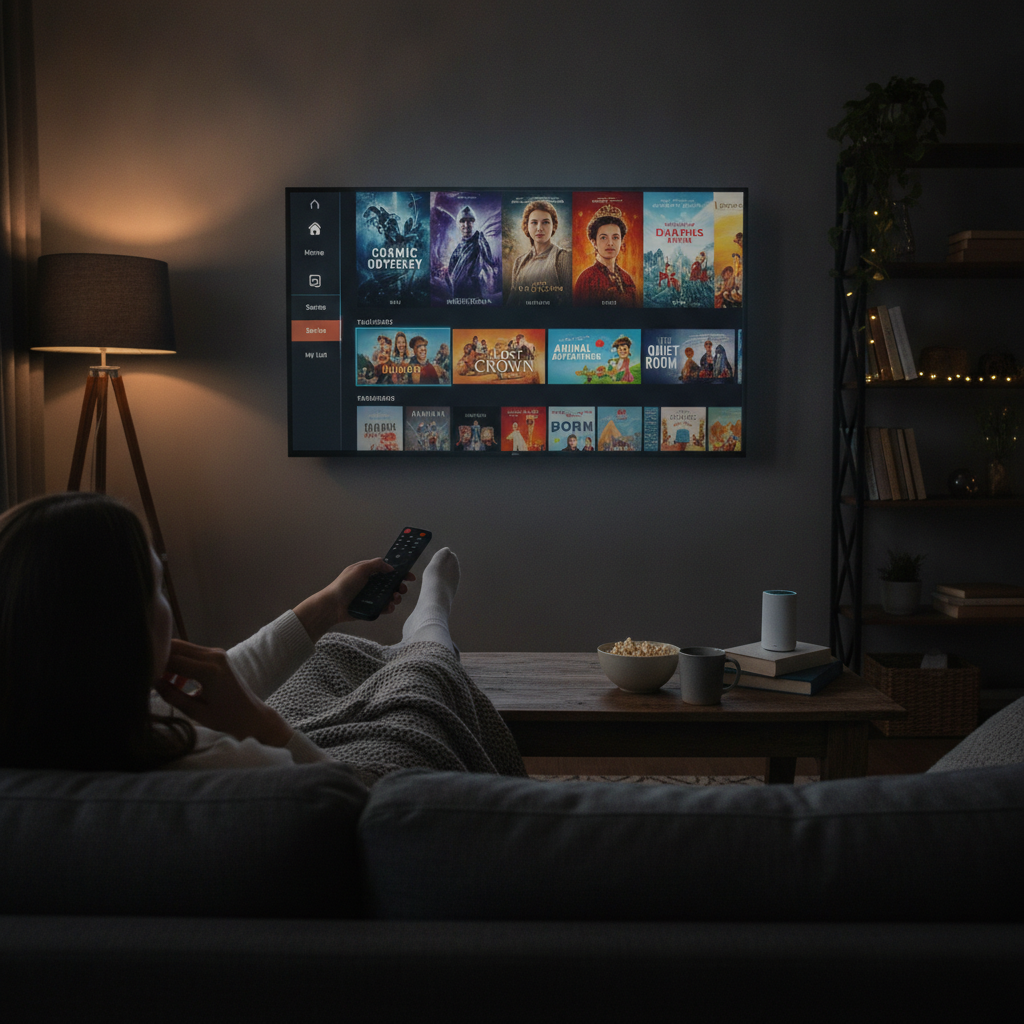
Streaming platforms have changed the basic rhythm of entertainment. Instead of planning around a broadcast schedule, viewers can choose what to watch, when to watch it, and often which screen to use. That freedom has reshaped audience viewing habits, from late-night episodes to family movie nights, while creating new questions about discovery, cost, and connection.
The change is not a simple handover from television to streaming. Traditional television, cinemas, and subscription services still serve different needs. Streaming has added more control and variety, but it has also made the entertainment landscape harder to navigate.
From Scheduled Broadcasts to On-Demand Viewing
On-demand viewing lets people choose a program and its start time instead of following a fixed broadcast schedule. Streaming platforms make entertainment available through apps on televisions, phones, tablets, and computers, so a show can fit around a viewer’s day.
That shift changes everyday routines. A person can watch a news recap during a commute, pause a film to answer the door, or resume an episode on another device. Many services also keep a series available after its original release, removing the pressure to tune in at a particular hour or risk missing it.
This flexibility moves some decisions from broadcasters to audiences. Viewers have more say over timing and pacing, but they also take on the work of choosing. A large content library can make it easy to find something familiar and surprisingly difficult to settle on something new.
On-demand access also changes expectations. When a new episode is not available immediately, viewers may see the delay as a restriction, even when a weekly schedule is a deliberate choice. The older model built anticipation around a shared broadcast time; streaming allows each person to set a different pace.
Binge-Watching and the New Pace of Storytelling
Binge-watching means viewing several episodes of the same series in one sitting or over a short period. Full-season releases make this pattern easy, while weekly releases encourage viewers to return over time.
Watching episodes back-to-back can make a complicated story easier to follow. Character details and plot points remain fresh, and cliffhangers lead directly into the next installment. For viewers who prefer a continuous narrative, that pace can feel more immersive than waiting a week between episodes.
Release schedules also shape how a story travels. A complete season can be watched in a few days, but it may generate a shorter burst of conversation. Weekly episodes give audiences time to discuss theories, compare reactions, and build anticipation together. Neither model guarantees a better story; each creates a different relationship between the program and its audience.
Flexible viewing has a trade-off: it can make it harder to notice when entertainment is crowding out sleep, chores, or other plans. A practical approach is to decide whether to watch one episode or a set amount of time before pressing play. That keeps the convenience of streaming without letting autoplay make the decision by default.
How Algorithms Guide Content Discovery
Recommendation algorithms use signals such as viewing history and interactions to suggest titles a viewer may like. They can help people navigate large content libraries, but they also influence which choices become most visible.
Recommendations may draw on watched titles, searches, ratings, or whether someone finished a series. The platform then organizes its home screen around predicted interests. This can save time: a viewer who enjoyed a particular kind of mystery may see related films or shows without searching the full catalog.
There is a less obvious effect. When a service repeatedly emphasizes familiar genres, actors, or formats, viewers may see fewer unfamiliar options even if the library contains them. A recommendation is a suggestion shaped by a system’s predictions, not a complete or neutral map of everything available.
To broaden discovery, treat the home screen as a starting point rather than the whole catalog. Search by country, filmmaker, decade, or subject; browse a category outside your usual choices; or ask friends what they have watched. These small changes can counter the tendency to keep selecting near-duplicates.
Platforms also differ in how they explain or let users adjust recommendations. Where controls are available, updating watch history or ratings can improve suggestions. Still, algorithms cannot fully capture why a person wants a light comedy tonight and a challenging documentary tomorrow.
A Fragmented Landscape of Platforms and Subscriptions
Streaming choice is spread across multiple subscription services, each with its own content library and exclusive titles. More services can mean more variety, but viewers may need several subscriptions to follow the shows and films they want.
Exclusive programming gives platforms a reason to stand apart. A title may be available in one service’s library and absent from another, so finding it can mean switching apps or signing up for an additional plan. Over time, the search for a few specific programs can turn a once-simple viewing routine into a collection of recurring bills and passwords.
A useful way to assess subscriptions is to consider three things: what you actually watch, when you watch it, and what you pay while it is inactive. If a service has one must-see series, you might subscribe for a month, watch it, then reassess. That approach takes more attention than keeping every service continuously, and it may not suit households that rely on a stable shared library.
Content availability can also change as licensing agreements shift or programs move between services. A title appearing in search results does not always mean it is included with a subscription in every region. Check the terms and current availability before paying, especially if you are subscribing for one specific film or series.
Streaming’s Impact on Traditional Entertainment
Streaming competes with traditional television and cinemas, but it has not made either format unnecessary. Different ways of watching offer distinct experiences, from flexible home viewing to scheduled programming and communal big-screen events.
Traditional television still suits viewers who like live news, sports, scheduled programs, or a channel lineup that requires little searching. Streaming platforms are often a better fit for catching up, choosing a particular title, or watching at an unusual hour. Many households use both, depending on the occasion.
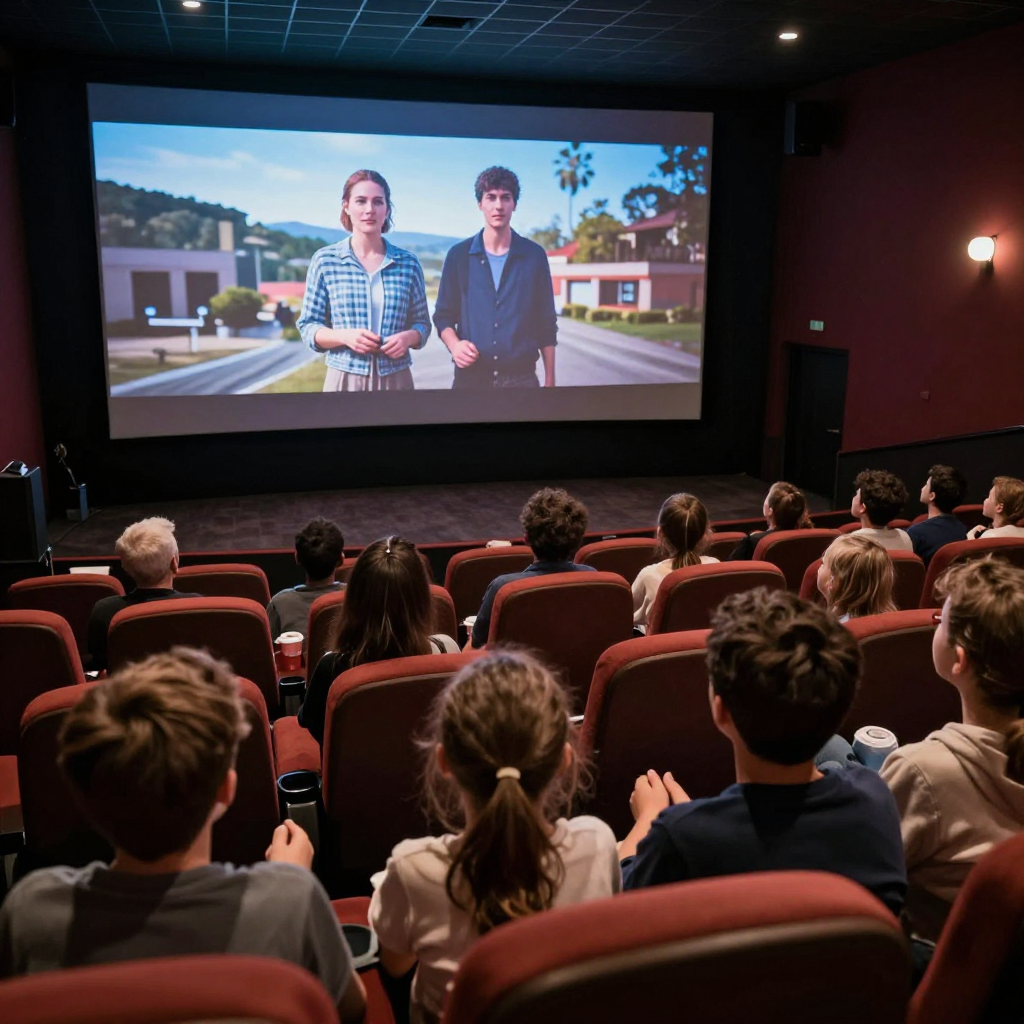
Cinemas offer something a home screen cannot fully reproduce: a large shared space, carefully controlled presentation, and an audience reacting together. Streaming makes films easier to access at home, but that convenience is not identical to the theatrical experience. Some releases use both routes, while others are designed primarily for a platform.
The formats also influence one another. Television services may offer on-demand libraries, and streaming platforms may release episodes weekly or promote live events. The boundary between broadcast and streaming is increasingly about how content is delivered and scheduled, not simply what kind of program it is.
What the Shift Means for Shared Viewing and Culture
Streaming makes entertainment easier to watch individually, while social viewing now often happens both in the same room and across separate screens. Shared accounts, watch parties, messages, and online discussions let people connect even when they are not watching together.
At home, viewers can pause a program to talk, choose different shows on separate devices, or watch a family favorite on demand. These habits offer flexibility, but they can also turn a shared television into a negotiation over what to play. Choosing together can matter as much as the title itself.
Streaming has also changed the timing of cultural conversation. A major release may prompt intense discussion online, but viewers who finish at different times risk spoilers, and a series watched months later may miss its original wave of attention. Weekly releases often support a common viewing rhythm; full-season drops give audiences freedom but can scatter the conversation.
There is no single audience experience. Some viewers treat a platform as a private library, others use it to keep up with friends, and many move between those roles. The central change is greater control over access, paired with more decisions about what to watch and how to share it. Streaming has expanded entertainment’s place in daily life without eliminating the value of a live broadcast, a cinema trip, or a night spent watching together.
Frequently Asked Questions
How has streaming changed the way people watch TV?
Streaming lets viewers watch programs on demand, choose their own pace, and move between devices. It reduces reliance on fixed schedules, while increasing the time spent choosing among services and titles.
What is binge-watching, and why is it popular?
Binge-watching is watching multiple episodes in one sitting or over a short stretch of time. It is popular because full-season releases and autoplay make it easy to follow a continuing story without waiting for the next episode.
How do streaming recommendations influence what viewers watch?
Recommendation algorithms use signals such as viewing history and interactions to suggest content. They can make discovery faster, but repeated suggestions may narrow what viewers notice unless they also search and browse beyond the home screen.
Is streaming replacing traditional television?
No. Streaming offers flexible, on-demand access, while traditional television remains useful for live programming and scheduled viewing. Many people use both, and cinemas continue to offer a distinct shared experience.