The Intersection of Gaming and Digital Identity
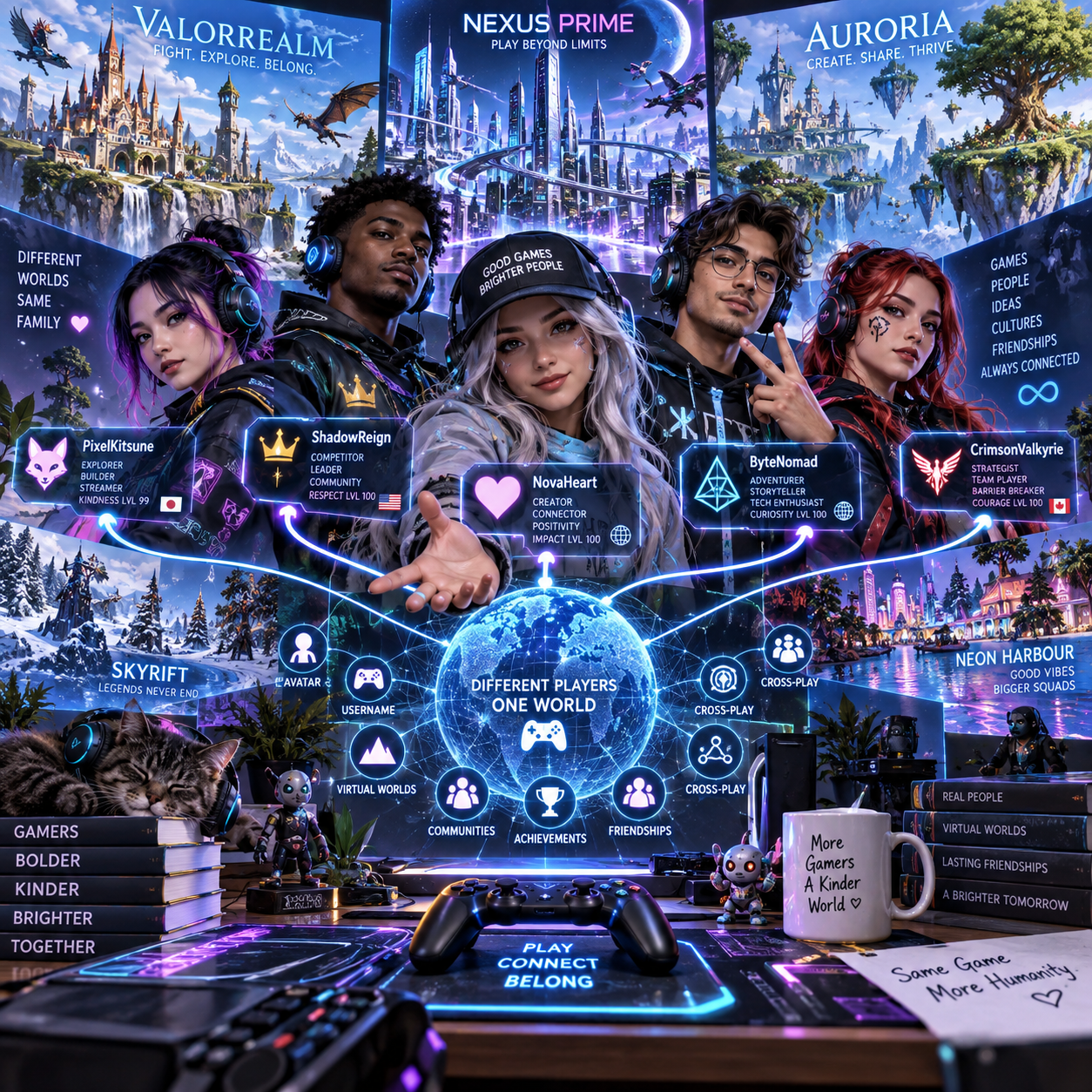
Gaming has become one of the most visible places where people build and communicate a digital identity. A player may be recognized by an avatar, a gamer tag, a favorite character class, a collection of achievements, or the way they support others in a team. These signals can feel playful, strategic, personal, or deliberately anonymous.
Digital identity in gaming is therefore broader than a profile picture. It develops through choices, relationships, reputation, ownership, and participation. Games provide the setting, but players and platforms jointly shape what that identity means.
What Digital Identity Means in Gaming
Digital identity in gaming is the combination of a player’s profile, avatar, behavior, achievements, relationships, and social presence across digital spaces. It can include both information a player chooses to present and data a platform records about their activity.
A gaming identity often begins with an account. From there, it gathers detail through a username, gamer tag, profile biography, friend list, play history, purchases, rankings, and communication style. A player who regularly organizes cooperative matches communicates something different from someone known for competitive rankings or creative customization.
Some identity signals are intentional. Players select a name, design an avatar, join a guild, or display a favorite badge. Others emerge over time. A reputation for reliability may develop because someone consistently arrives on time for raids, while a reputation for hostility may follow repeated abusive messages.
This makes gaming identity both expressive and recorded. It can feel fluid inside a virtual world, yet persistent across years of profiles, screenshots, social posts, and platform histories. The same account may connect entertainment, friendship, competition, and creative work.
Avatars, Gamer Tags, and Self-Expression
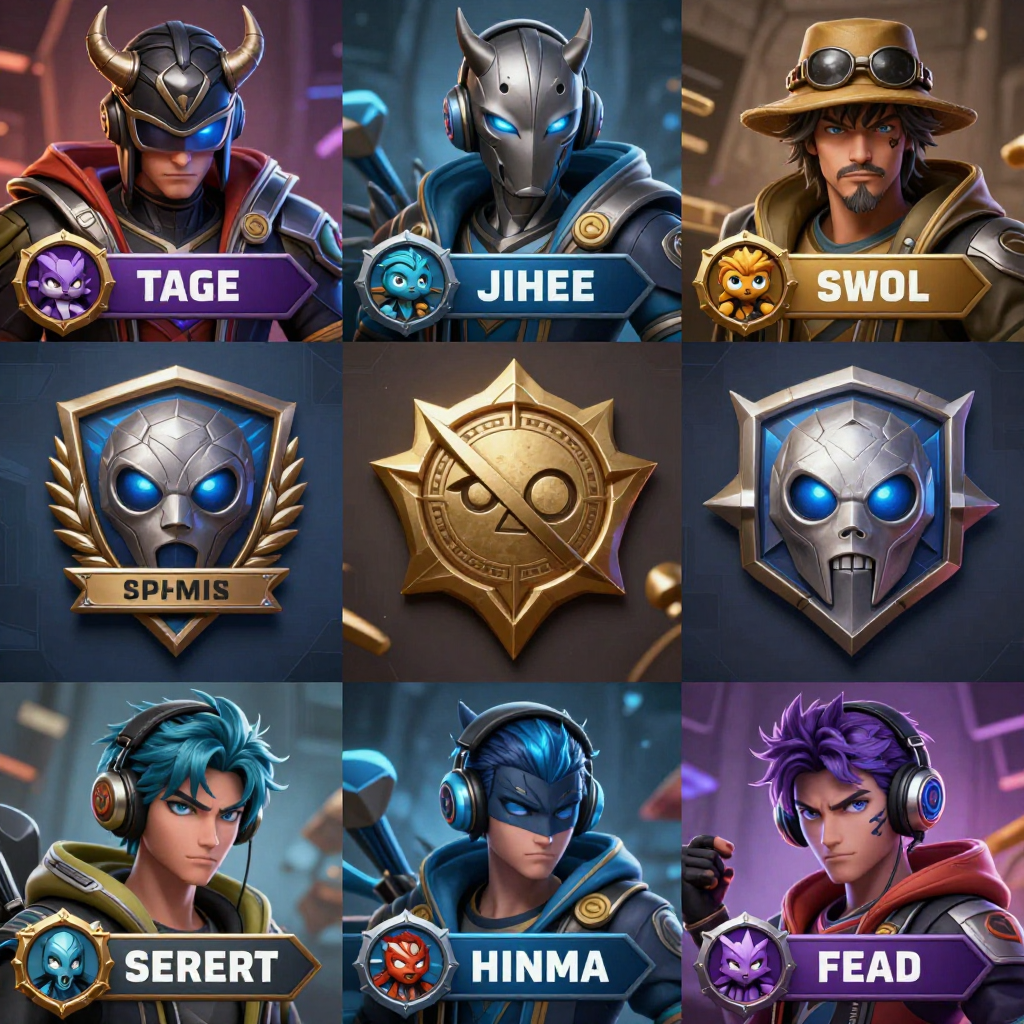
Gaming avatars and gamer tags let players construct visible identities through appearance, naming, status, and behavior. These choices can reveal personality, signal group membership, or create useful distance between a player’s online and offline life.
Avatar customization turns identity into a visual language. Clothing, colors, accessories, body types, animations, and cosmetic items may communicate taste, humor, cultural references, or achievement. A carefully designed avatar can function like a digital wardrobe: it is changed for the occasion and interpreted by others.
Gamer tags work differently. A name can be memorable, ironic, intimidating, culturally meaningful, or intentionally neutral. It may become a long-term identity marker across matches and communities. However, a gamer tag should not be treated as complete anonymity. Public profiles, linked accounts, voice chat, and repeated behavioral patterns can connect a pseudonym to a real person.
Play style also contributes to self-expression. Choosing a support role, experimenting with unusual strategies, building elaborate environments, or mentoring new players can say as much as an avatar does. Identity is communicated through action, not only through decoration.
Gaming Communities and the Formation of Belonging
Online gaming communities shape social identity by giving players shared language, routines, values, and roles. Guilds, teams, friend groups, chat channels, streaming spaces, and fan communities help people experience belonging through repeated interaction.
Community membership often begins with a shared game, but it can become more specific. Players may identify with a competitive team, a role-playing server, a speedrunning scene, a modding group, or a group that welcomes beginners. Inside these spaces, members learn local customs: how to greet one another, when to use voice chat, which strategies are respected, and what behavior crosses a line.
Roles matter. One person may coordinate events, another may explain mechanics, and someone else may create guides, artwork, or entertaining streams. These contributions create social identity beyond the individual match. A player becomes known as a leader, teacher, strategist, builder, comedian, or dependable teammate.
Belonging has limits, too. Communities can exclude newcomers, reward conformity, or normalize harassment. Platform design influences these outcomes through moderation tools, discovery systems, reporting processes, and the visibility given to popular creators. A healthy gaming community makes room for participation without demanding that every member perform the same identity.
Reputation, Achievement, and Identity Signals
Reputation systems and achievements influence digital identity by turning performance, conduct, and participation into signals that other players can interpret. Rankings show competitive results, while badges, inventories, endorsements, and account histories provide additional evidence about a player’s experience or reliability.
These signals are useful because online interaction often begins with limited information. A high ranking may suggest skill. A long-standing guild role may suggest commitment. A history of helpful messages may encourage trust. Yet no single metric tells the whole story.
- Achievements and badges: communicate persistence, expertise, or exploration.
- Rankings and statistics: show performance within a defined competitive system.
- Inventories and collections: may indicate time, spending, taste, or participation in events.
- Conduct records: can affect whether others see a player as safe and cooperative.
- Community roles: reveal leadership, creativity, moderation, or mentoring.
The limitation is context. A ranking can reflect time availability as well as skill, and a rare digital item may show access rather than expertise. Reputation also changes slowly once attached to a username. Players should treat identity signals as clues, not definitive judgments.
Privacy, Safety, and Control Over Player Identity
Privacy and digital safety depend on controlling account access, personal information, visibility, and interactions. Players should separate public identity signals from sensitive details and review the settings that govern who can contact, follow, or search for them.
Basic protection starts with a unique password, multifactor authentication where available, updated recovery information, and caution around unsolicited links. Players should also check whether their profile exposes a real name, location, school, workplace, contact list, or connected social account. Screenshots and livestreams can reveal more than expected, including notifications, usernames on other services, and background information.
Safety also includes social boundaries. Blocking and reporting tools can reduce unwanted contact, while private groups and restricted voice chat can limit exposure. Younger players may need family settings and clear conversations about grooming, scams, harassment, and requests for personal images or money.
Common mistakes are easy to overlook:
- Reusing passwords: one compromised service can expose several accounts. Use separate credentials and a password manager.
- Assuming a pseudonym guarantees anonymity: repeated names, voices, links, and public posts can identify a person. Keep accounts separate when separation matters.
- Sharing account access with friends: this can lead to theft, unauthorized purchases, or moderation penalties. Use approved family or account-sharing features instead.
- Ignoring consent in voice and video spaces: ask before recording, reposting, or exposing another player’s identity.
Good privacy management is not about hiding everything. It is about choosing what different audiences can see and retaining control when circumstances change.
Ownership and Portability in Virtual Identity
Digital ownership in gaming usually means having permitted access to virtual items, profiles, or entitlements within a platform, not necessarily owning an unrestricted object that can move anywhere. Portability depends on technical standards, business agreements, licensing, and platform policies.
A player may invest substantial time in skins, characters, emotes, achievements, maps, or a carefully built profile. Those assets can feel like part of personal identity because they carry memories and social meaning. Yet access may depend on an account remaining in good standing, a game continuing to operate, or a service supporting the relevant content.
Persistent profiles and connected virtual worlds could make identity more continuous. A gamer tag, avatar style, social graph, or achievement history might travel between experiences. That would offer convenience and recognition, but it would also create problems. A mistake in one space could follow someone elsewhere, and a single identity provider could gain extensive knowledge about a person’s relationships and behavior.
The practical question is less whether identity will become portable everywhere and more which parts should travel. A player may want a familiar name and friends list to transfer, while keeping purchases, private messages, or past conduct within the original community. Portability needs consent, clear ownership terms, reliable deletion options, and strong privacy controls.
The Future of Gaming and Digital Identity
The future of gaming and digital identity will likely involve more connected profiles, immersive environments, cross-platform social spaces, and identity systems that combine visual, behavioral, and community signals. The main challenge will be giving players continuity without removing their ability to change.
As virtual worlds become more social, identity may include spatial behavior: how someone hosts an event, decorates a shared space, communicates through gestures, or manages access to a virtual room. Voice, motion, and real-time presence may become as important as usernames and avatars.
These developments create a useful design test: visibility, flexibility, and control. Visibility helps players find friends and build reputation. Flexibility lets them use different identities for different communities. Control allows them to change names, limit audiences, remove old content, and leave a platform without losing every part of their social life.
Players can prepare by treating gaming accounts as meaningful digital assets. Review connected services, maintain account security, learn community rules, and think carefully before attaching personal information to a public profile. Platforms, meanwhile, will need transparent moderation, portable consent settings, understandable ownership policies, and ways to distinguish identity continuity from permanent surveillance.
Frequently Asked Questions
How do video game avatars influence digital identity?
Video game avatars influence digital identity by giving players a visible way to communicate appearance, taste, status, gender expression, humor, and community membership. Their meaning also comes from how players use them in social spaces.
Why are gamer tags important to online identity?
Gamer tags are important because they provide a recognizable name across matches and communities. They can support pseudonymity, but they should not be treated as guaranteed anonymity.
How can players protect their digital identity?
Players can protect their digital identity with unique passwords, multifactor authentication, privacy reviews, careful account linking, limited personal disclosure, and responsible use of blocking and reporting tools.
Do gaming achievements affect online reputation?
Gaming achievements can affect online reputation by signaling persistence, skill, or experience. Their meaning depends on context, since statistics and badges rarely capture a player’s full behavior or character.
Will digital identities become portable across virtual worlds?
Digital identities may become more portable across virtual worlds, but widespread portability is not guaranteed. Technical compatibility, licensing, privacy, moderation, and player consent will determine which identity elements can move.