NFTs and the Future of Digital Ownership: What Could Change?
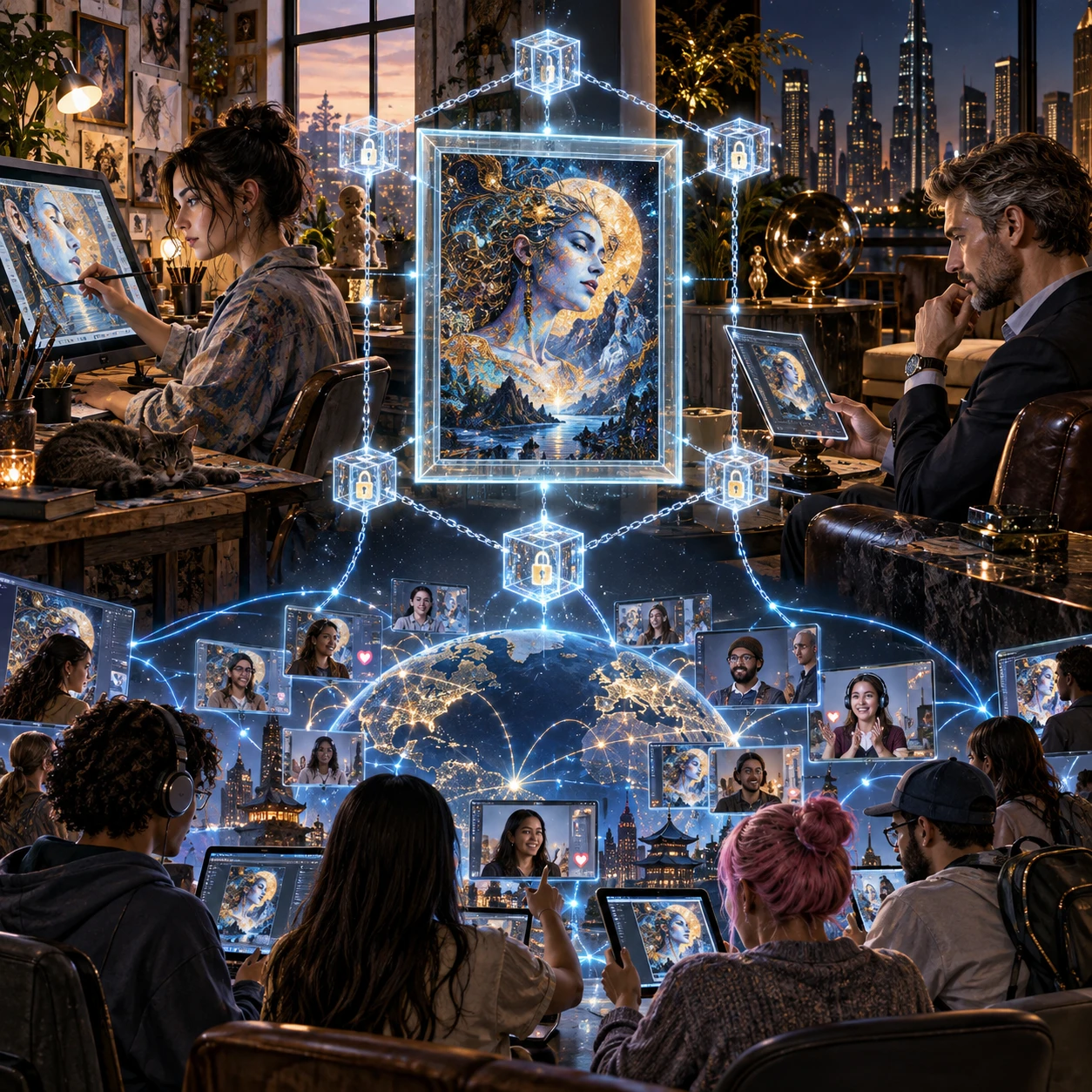
A digital image can be copied in seconds, yet people still form attachments to particular works, game items, profiles, and online communities. NFTs offer one way to mark a specific digital token as distinct and track its history on a blockchain. That idea could change how people collect and participate online, but it does not automatically make a file exclusive or transfer copyright.
To understand NFTs and the future of digital ownership, it helps to separate three things: the token, the media it points to, and the legal or practical rights attached to it. Their value will depend as much on clear agreements and useful experiences as on the underlying technology.
What Does Digital Ownership Mean?
Digital ownership can mean holding a verifiable token, having permission to use a file, controlling access to a service, or owning intellectual property; these are different rights. An NFT usually establishes control of a particular blockchain token, while the artwork or other content may remain freely viewable and copyable.
For example, an NFT may identify a digital art edition and show which blockchain address currently holds its token. Someone else can still save or repost the image. The collector may have a recognized claim to that token, but any additional rights depend on the terms set by the creator or platform.
This distinction matters because everyday language can make ownership sound broader than it is. A purchase might include a license to display an artwork, access a community, or use an item in a game. It does not necessarily grant copyright, commercial use, or the ability to prevent others from copying the underlying media.
A useful way to assess a digital object is to ask three questions:
- What is held? The token, a file, access credentials, or some combination?
- What is permitted? Does the agreement allow display, modification, resale, or commercial use?
- What still works? Can the object be accessed if a marketplace, game, or hosting service closes?
How NFTs Connect Ownership to Blockchain
NFTs connect a unique token to a record on a blockchain, where transactions can be checked and traced. Smart contracts define how tokens are created and transferred, but they do not automatically verify the truth of every claim about the content or its creator.
Unlike a fungible cryptocurrency unit, an NFT has a distinct identifier. A blockchain records events such as minting and transfers, making it possible to inspect a token’s transaction history. The ledger can show which address controls it, though an address does not necessarily reveal a person’s real-world identity.
The token’s metadata may include a title, creator details, a link, or a content identifier. The associated media might be stored directly on a blockchain, but it is often hosted separately. That creates a practical distinction: the token record may remain available even if a website or file host disappears, while the image or experience it points to may become difficult to access.
Smart contracts can also automate certain rules. A contract might direct a percentage of a resale to a creator, for instance. Whether that payment is enforced consistently can depend on the marketplace and the way a transfer happens. Code can record and execute defined actions; it cannot settle every question of law, authorship, or fairness.
What NFTs Could Make Possible for Creators and Collectors
NFTs could give creators and collectors a shared way to track digital editions, connect an object to its history, and coordinate access or participation. These features can support creative projects, but their usefulness depends on good design and terms that people can understand.
For creators working in digital art, a token can help distinguish an official edition from the many copies of an image circulating online. Collectors may value that provenance: a record of when a token was created and how it moved between addresses. Provenance is a record, however, not proof that a creator had the right to mint the work in the first place.
Projects can also use NFTs as passes or membership signals. A token might unlock a discussion space, grant access to an event, or let holders vote on a project decision. In creator-led communities, this can make participation visible and portable across compatible services. The trade-off is that access can still depend on a company’s website, moderation policies, and continued support.
For artists, direct sales may create new ways to reach collectors without relying on a single gallery or publisher. Yet finding an audience, setting clear licensing terms, and maintaining a project still take work. A token is a tool for distribution and coordination, not a guaranteed income stream.
The Limits and Open Questions of NFT Ownership
NFT ownership has limits: a token may not include copyright, the linked media may rely on outside hosting, and access may depend on a platform. Buyers and creators need to distinguish what the blockchain records from what contracts, licenses, and services promise.
Intellectual property rights are a common source of confusion. In many cases, creators retain copyright while the token holder receives only the token and any stated license. Terms vary, so a marketplace listing should not be treated as a complete description of rights. Creators benefit from spelling out what a buyer can do, including whether commercial use or adaptations are allowed.
Usability is another barrier. Wallet setup, transaction fees, lost credentials, and unfamiliar recovery processes can make an otherwise simple purchase feel risky. Self-custody gives a holder more direct control of a token, but it also places responsibility for protecting access on that holder. Custodial platforms can feel easier, while introducing dependence on the provider.
Common mistakes are avoidable:
- Assuming the token is the artwork. A token may point to a separate file. Check how the media is stored and what happens if its host goes offline.
- Reading ownership as copyright. Look for the actual license or project terms before using an artwork in a product or promotion.
- Treating a marketplace as permanent infrastructure. A listing page can disappear even when a blockchain record remains. Keep relevant transaction details and understand what access relies on the platform.
These limitations do not make NFTs useless. They show why a reliable experience needs more than a token: clear rights, durable media access, thoughtful security, and support that does not vanish when a project loses attention.
NFTs Beyond Art: Digital Goods, Identity, and Culture
NFTs could represent digital goods, event access, credentials, or signals of participation, extending their role beyond digital art. Their cultural impact will depend on whether people find these uses helpful, expressive, and fair in everyday online spaces.
In games and virtual worlds, a token might represent a cosmetic item or collectible. If several platforms agree on compatible standards, a user could potentially carry an item between services. In practice, technical compatibility alone does not make that item usable everywhere: each game must choose to support it, and its design rules may differ.
NFTs may also become part of digital identity. A person could use a token to signal membership in an online community or participation in an event. That can strengthen a shared sense of belonging, but public blockchain records can expose patterns of activity. People may not want every collectible or membership linked to an identity they use elsewhere.
The cultural question is broader than whether a token is scarce. Online culture has long been built around sharing, remixing, and copying. NFTs introduce a way to recognize a particular version or support a creator while leaving room for circulation of the underlying media. Communities will have to decide when that distinction adds meaning and when it feels like an artificial barrier.
What Could Shape the Future of Digital Ownership?
The future of digital ownership will depend on whether NFT systems become easier to use, offer dependable access and clear rights, and earn trust from creators and communities. No outcome is assured: adoption could grow in focused settings while many people continue using ordinary accounts and licenses.
Three factors will matter. First, infrastructure: wallets, networks, and storage need to work reliably without making basic participation feel like a technical chore. Second, rights and governance: creators, collectors, and platforms need understandable rules for licensing, access, moderation, and recovery. Third, cultural fit: a technology gains staying power when it solves a problem people actually have or helps them express an identity they value.
There is also a tension between portability and convenience. A token may be transferable between compatible services, but each service still decides what it recognizes. A tightly managed platform can offer a smoother experience, while a more open system can give users greater choice and responsibility. Neither arrangement is automatically better for every community.
For creators and collectors, a practical test is simple: identify what the token represents, read the rights, check where the media and access depend on, and ask what would remain if the current platform closed. NFTs may help make some digital objects easier to verify and organize. Whether they reshape ownership will be decided by the people and institutions that build around them.
Frequently Asked Questions
Does owning an NFT mean owning the artwork? Usually, it means owning the token associated with the artwork. Copyright and other usage rights remain with the creator unless an explicit agreement transfers or licenses them.
Can an NFT be copied? The token’s blockchain record is distinct, but the associated image, video, or audio can often be copied. A copy does not become the same token, though it may look identical to a viewer.
What rights does an NFT give its owner? Rights vary by project. The holder may receive only the token, or may also receive a license, access, or other benefits described in the project’s terms.
Could NFTs be used for more than digital art? Yes. Potential uses include virtual goods, event passes, community memberships, and digital identity signals, though each depends on platform support and clear rules.